Frequently Asked Questions
Have questions about buying, selling, or investing in real estate? We’ve compiled answers to some of the most common questions our clients ask.
The Campbell market remains active, with steady demand and increased inventory creating a more balanced environment. Buyers are still motivated, but pricing realistically is key for sellers.
In 2025, Silicon Valley is experiencing slower price growth, increased inventory, and more buyer flexibility compared to previous years. Mortgage rates and tech sector stability continue to influence buyer behavior.
Buyers typically pay 2%–3% of the purchase price in closing costs, including loan fees, title insurance, and escrow fees. Sellers usually pay 5%–7%, which includes commissions, escrow, and title costs.
Look for an agent with deep local knowledge, strong negotiation skills, and a proven marketing strategy. Ask about their experience, client reviews, and familiarity with your neighborhood and price point.
Pre-qualification is a basic estimate of what you can afford, based on self-reported information. Pre-approval involves a lender verifying your finances, offering a stronger position when making an offer.
Base property tax rates in Santa Clara County are approximately 1.1% of assessed value, plus local bonds and levies. Expect the total rate to be around 1.25%–1.5% depending on your location.
Escrow is a neutral third-party process where funds and documents are held until all conditions of the sale are met. During escrow, inspections, appraisals, and loan finalization occur, leading to the closing.
A contingency is a condition that must be met for a sale to proceed. Common contingencies include inspections, financing, and appraisal. They protect buyers but can affect offer strength in competitive markets.
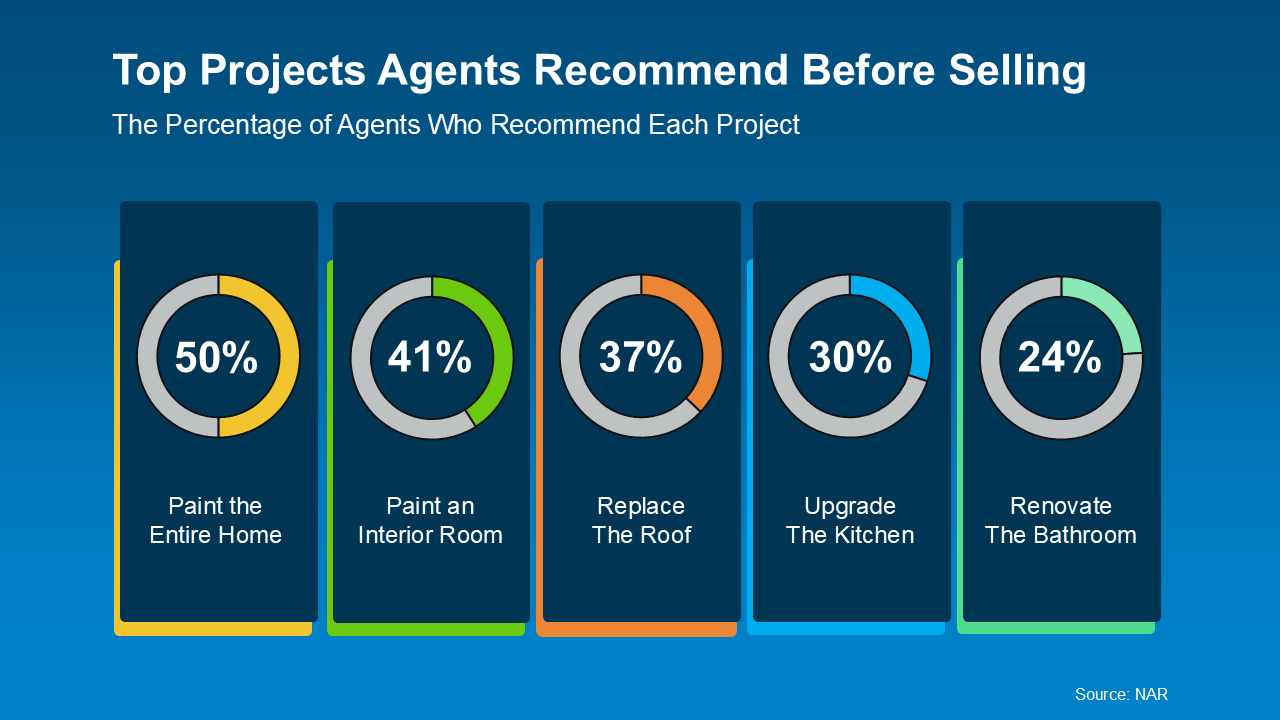
Declutter, deep clean, and make minor repairs. Consider staging and professional photography to showcase your home’s best features. Your agent can help you prioritize what will add the most value.
Higher rates are impacting affordability, especially for first-time buyers. Many are adjusting their budgets or looking into rate buydown options. Increased inventory is helping to keep prices more stable.
For buyers, more inventory means more choices and negotiation leverage. For sellers, it means increased competition—pricing and presentation are more important than ever.
Yes, especially in a market with more inventory. While waiving contingencies can strengthen an offer, many sellers now accept offers that include reasonable protections for buyers.
Recent settlements have brought more transparency to commissions, allowing greater flexibility in how agents are compensated. Buyers and sellers now have clearer options and can negotiate terms more openly.
Underpricing is a strategy to generate multiple offers and drive up the final sale price. It’s most effective when demand is strong and the property is in excellent condition. It doesn’t work in all market conditions.
We evaluate your personal situation alongside market data. While timing the market perfectly is difficult, factors like interest rates, local inventory, and your financial goals help determine the best time to list.
In California, sellers must disclose if the property is in a high fire risk area, flood zone, or exposed to natural hazards. This includes providing Natural Hazard Disclosure (NHD) reports and informing buyers of any known risks.